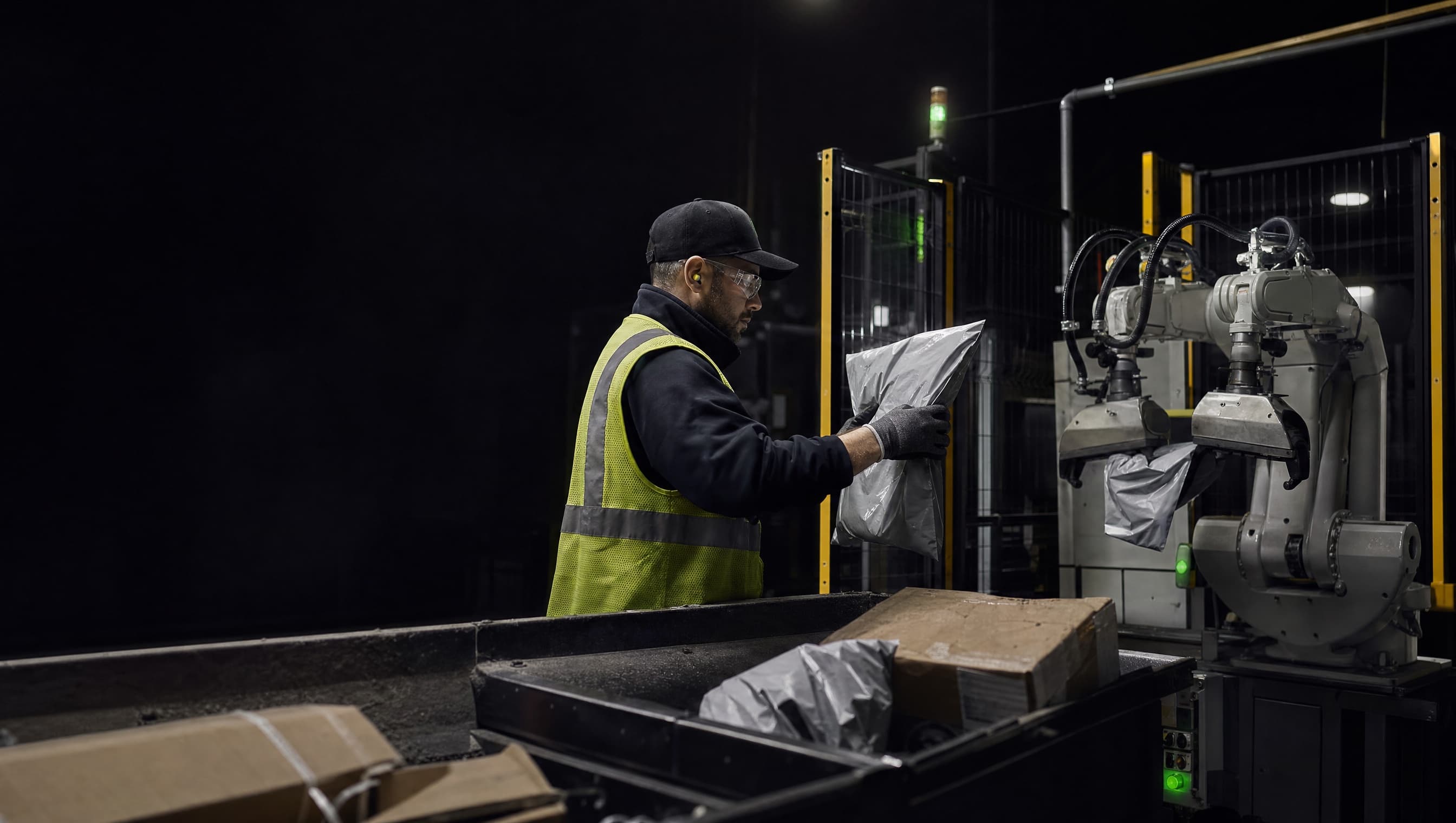
Sense real work
3D geometry · force · grip · timing
Field-trained Physical AI
Your Factory Floor Is Smarter Than Any Lab. We Just Listen to It.
Most industrial robots are trained in sterile labs, then fail within 48 hours of hitting your production line. Engel OS learns exclusively inside your actual facility, capturing the invisible physics of human dexterity: grip pressure, torque shifts, and 3D spatial timing. Real deployment for real results.
3D motion · force · grip · timing
Your operators · products · conditions
Compatible robots · one repeatable skill
Motion, force, pressure, and timing in context.
Policies for humanoid, dual-arm, mobile, and cobot platforms.
Three-week target from field capture to a scoped production pilot.
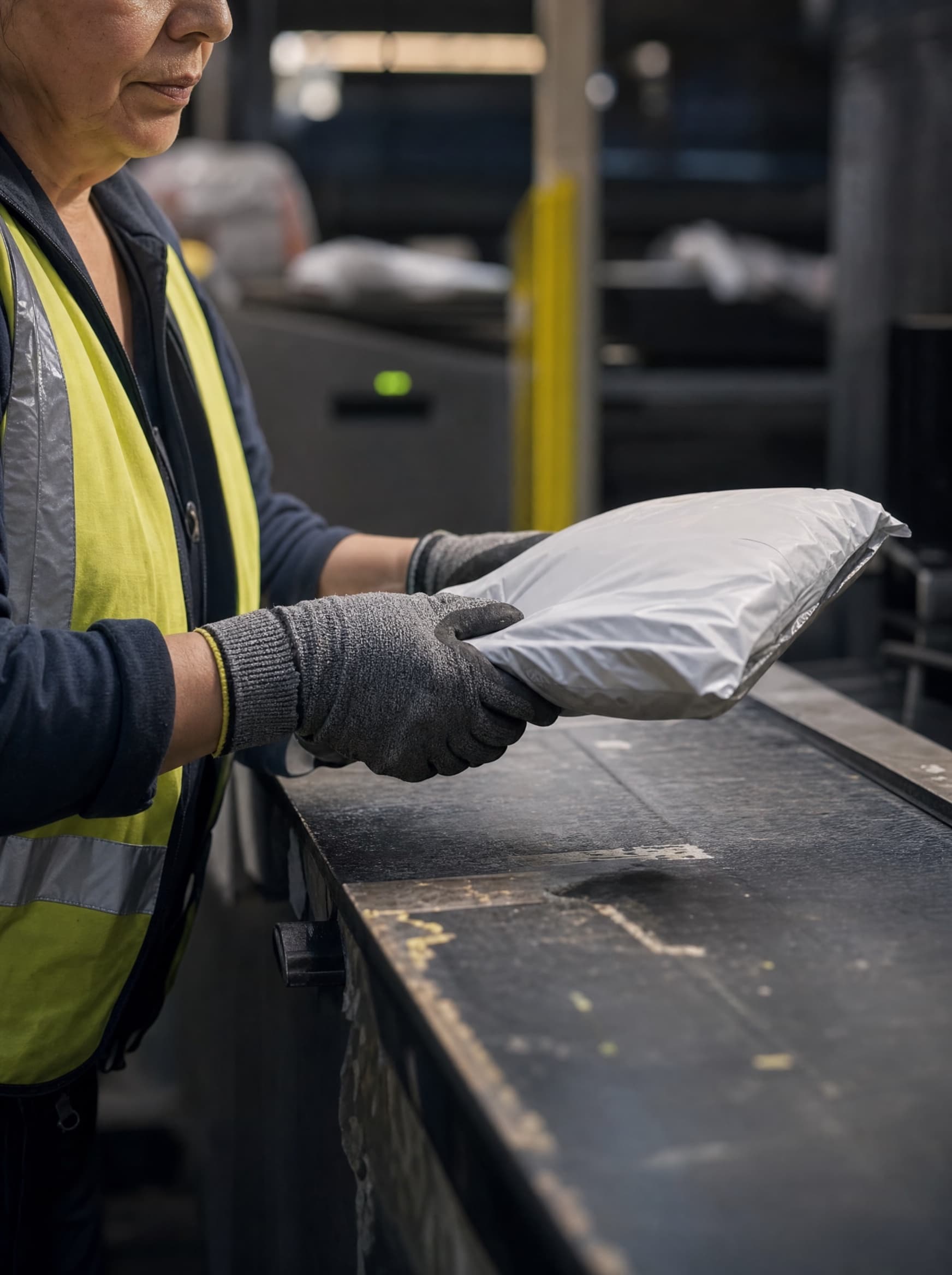
Human skill, made legible
An experienced parcel operator knows exactly when to ease pressure on a polybag and when to clamp down on a heavy carton. Without a way to capture it, that knowledge can be lost to turnover, injury, or retirement.
Expert technique lives in motion, pressure, and timing.
Observe the real task with operator participation and defined safety boundaries.
Train a robotics policy and scale the technique across a fleet running three shifts, 365 days a year.
The future of production is not replacing human skill. It is digitizing human dexterity so physical work can scale.
The core difference
A lab can simplify the world. A production floor refuses to. Training data should preserve the conditions that make the task difficult in the first place.
We do not simulate reality. We capture it.
Pilot outcome targets
Typical pilot deployments target 20% to 35% labor cost savings on repetitive workflows. Each target is set against the facility's own baseline and validated in production.
Target damage rate
Target overtime
Target staff turnover
Projected ROI
Example baseline: 5% damage on soft-packaged goods · 28% annual staff turnover · recurring overtime on repetitive workflows
Track quality, labor, uptime, and ROI against the starting baseline.
Three-step deployment
Capture the task in its real environment, train on your own multi-sensor data, then deploy the policy to compatible robotic hardware.
Map constraints and record expert motion, force, and timing around a defined workflow.
Structure multi-sensor data and train motor policies around your products, machines, and edge cases.
Calibrate on compatible hardware, stage the rollout, and use field observations to guide iteration.
Technical architecture
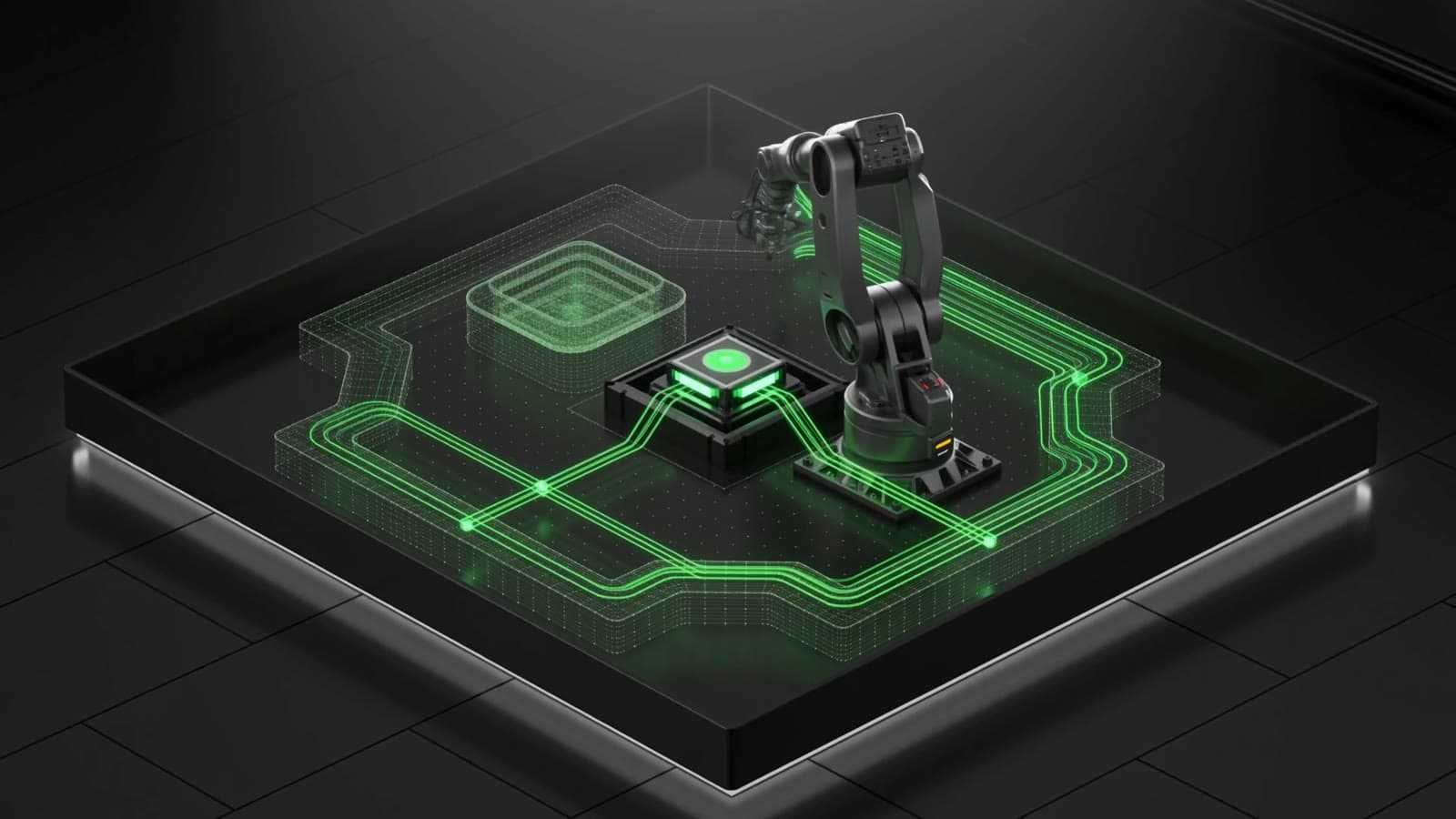
2D video shows how a task looks. Physical deployment also needs the surface resistance, torque shifts, contact, timing, and sub-millimeter 3D dynamics required to build foundation motor models on real physics.
3D geometry · force · grip · timing
Training · adaptation · evaluation
Robot behavior · calibration · outcomes
Exceptions · drift · force · timing · outcomes
3D point-cloud mapping at 100 Hz is aligned with multi-axis torque and force sensing, micro-tactile pressure distribution, and millimeter-precise joint kinematics.
Expert demonstrations seed imitation learning and spatial reinforcement learning. Domain randomization and continuous field calibration target real-world robustness.
Commissioning tests the policy against representative materials, environmental variation, and safety constraints before wider rollout.
Policies deploy across humanoid or bipedal robots, dual-arm manipulators, autonomous mobile units, and collaborative robots.
Bipedal task environments
Coordinated manipulation
Work across stations
Guarded collaborative cells
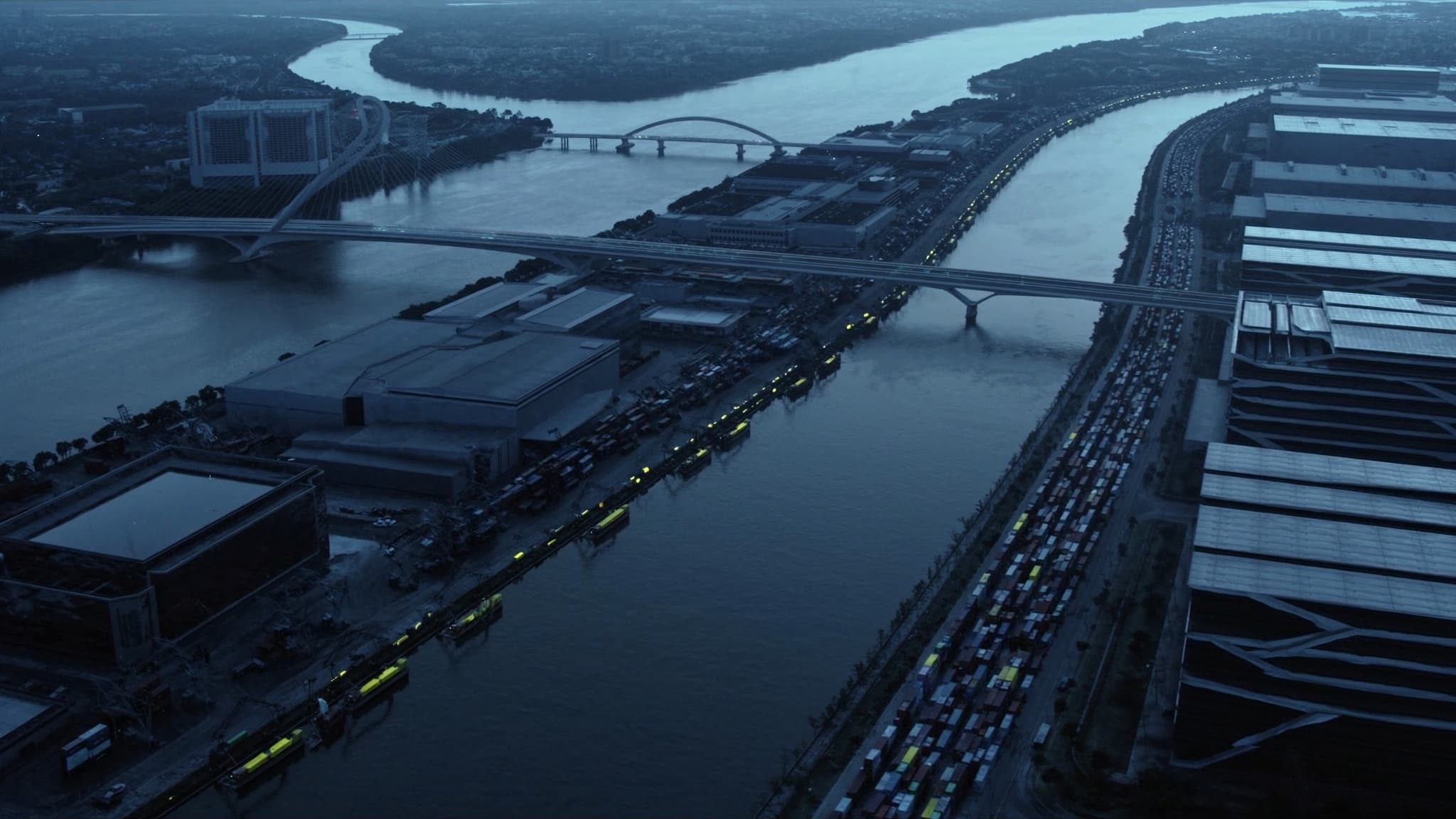
Why Guangzhou
Physical AI requires constant access to real workflows, industrial hardware, and high-volume logistics hubs. Engel OS is headquartered in Guangzhou, built where Physical AI meets the physical economy.
Large-scale industrial enterprises in Guangdong
Factory robots active in China / 54% of global total
Annual industrial output
Access to the densest supply-chain corridor in the world
We build Physical AI next door to major automotive plants, electronics foundries, and logistics hubs. Models can be tested on real production workflows before deployment.
Industry applications
Start with the variable that breaks generic automation, then define the platform and acceptance criteria around it.
Representative workflow
Physical Intelligence Data Infrastructure
Engelos does more than complete a one-time robotics integration.
Every programme contributes to a structured system of physical intelligence:
Over time, this becomes the infrastructure through which human physical expertise can be translated across machines, sites and industries.
Team and trust
Our team combines AI research experience from Apple, ByteDance, and DeepSeek with robotics systems experience from Unitree and other hardware firms.
Align visual, spatial, force, and temporal signals around a physical task.
Model the relationship between the operator, object, workstation, and environment.
Translate learned behavior into platform-aware motion and calibration requirements.
Commission against real materials, safety boundaries, and operating constraints.
Start with the real floor
Reduce repetitive manual operations while preserving your workforce's expertise.